
Travel Guide to Austria
Austria, having been traveled drastically across Europe, is one of the most worthwhile nations to discover globally. The traveller visits Austria due to a fascination with the way history, culture, and herbal splendor come together easily. The revel entails wandering through imperial palaces and the Alpine terrain, and the quiet cafes reflect the kingdom’s concept of the connection between history and humanity. The brilliant and exquisite Austria includes various elements of exploration, together with structure and geography, as well as the standards, for example, historical emphasis and scenic rhythm.
Why Austria Should Be on Your Travel List
Austria isn’t just a postcard-perfect destination; it’s a country that appeals to all types of travelers. Here’s why:
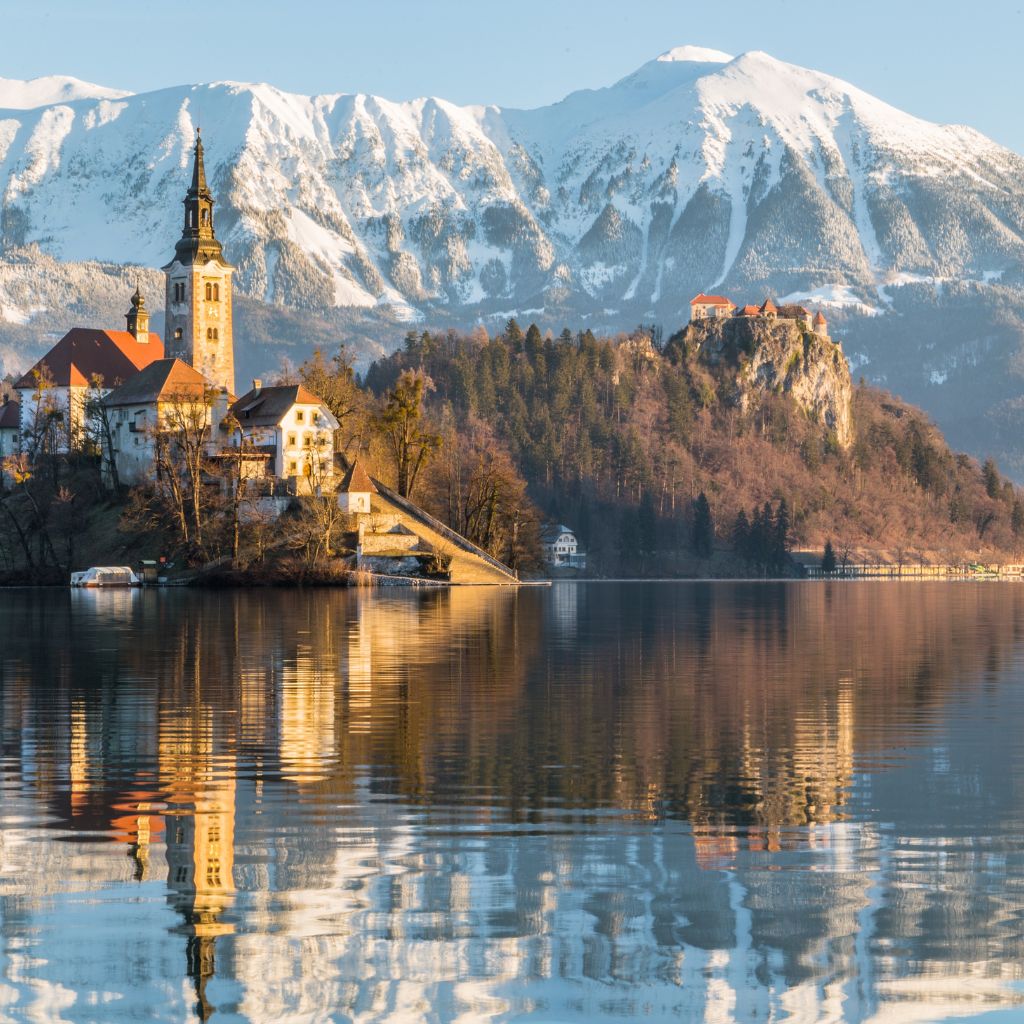
Stunning Natural Beauty: The Austrian Alps, featuring sparkling lakes and rolling green valleys, are among the most famous landscapes globally. The region presents breathtaking scenery due to its fascination with the way light appears on natural surfaces all year round. The environment involves a half-body portrait of the land, and the ability to hike or ski reflects the idea of the connection between nature and humanity.
Rich History and Culture: Austria used numerous elements of art in its heritage, for instance, the grandeur of Vienna’s palaces to represent comfort, loveliness, and gentleness. The culture contains several repeating lines from Salzburg’s musical legacy and the architecture in the background. Mozart and Strauss used musical composition, which created a smooth texture and slightly glossy surfaces; however, the centuries of art contain slightly rougher historical foundations.
Delicious Cuisine: Moreover, the taste of the Wiener Schnitzel contains warm colors such as orange, yellow, and red, while the Apfelstrudel contains cool colors, for instance, green and blue. The region used realistic quantities of Sachertorte for shading. Each specialty comprises layers of transparent flavor that are slightly thick, contributing to the glowing appearance of the dining experience (Keshelava 17).
Best Cities to Explore
1. Vienna – A City of Elegance and History
Vienna is a city that demands at least a few days of your itinerary. Its grandeur is unmatched, from the gilded halls of Schönbrunn Palace to the historical streets of the city center.
Highlights:
- Schönbrunn Palace: The previous summer season residence of the Habsburgs, the gardens are ideal for an afternoon stroll.
- St. Stephen’s Cathedral: Towering over the town center, this cathedral is a must-see, especially for its Gothic structure.
- Vienna State Opera: Even if you don’t win tickets to a performance, the building is impressive.
- Belvedere Palace: Features fantastic Austrian artwork, together with Klimt’s ‘The Kiss’.
- Tip from Experience: Don’t rush Vienna. Spend at least three nights, revel in coffee in a conventional café, and soak in the song and art.
2. Salzburg – Music and Alpine Charm
The town of Salzburg is like taking walks right into a movie set. It is a fascinating town with a compact city, baroque shape, and a backdrop of mountains, making it one of the most beautiful cities in Austria.
What to See:
- Hohensalzburg Fortress – a medieval fort with a lovely view of the town.
- Mirabell Gardens – beautiful gardens for images or a relaxing stroll.
- Mozart’s Birthplace – observe Austria’s most famous composer.
- Sound of Music Locations – in case you are keen on the movie, these are a treat.
Experienced Traveler’s Advice: Salzburg is incredible to spend 2 days. The vintage metropolis is tremendously explored by taking walks, despite the fact that compact size, there are lots of hidden gems to find.
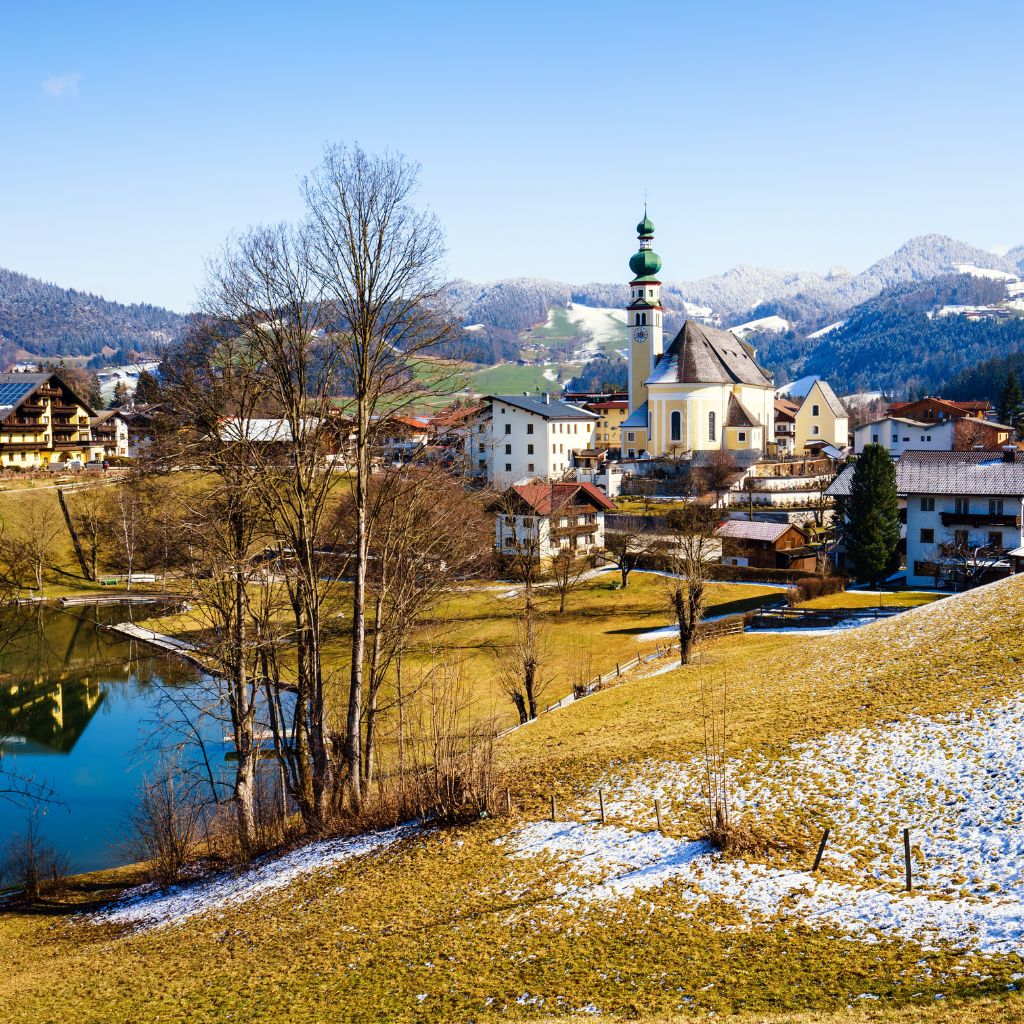
3. Innsbruck – Adventure Meets Alpine Beauty
If you love mountains, Innsbruck is your playground. It’s the hub for winter sports and summer adventures alike.
Highlights:
- Nordkette Mountain Range: Accessible from the city via cable car; great for hiking, skiing, or just breathtaking views.
- Golden Roof: A historic symbol of the city.
- Ambras Castle: Offers insight into Renaissance art and culture.
Insider Tip: Even if you’re not skiing, take a cable car up the Nordkette. The views of the Alps are unforgettable.
4. Graz – Culture with a Relaxed Pace
Graz is often not noted, but it’s a town really worth slowing down for. The vintage town is a UNESCO World Heritage site, and the town has a thriving arts and food scene.
Highlights:
- Schlossberg/Clock Tower: You can climb or use the funicular to get city views.
- Kunsthaus Graz: A modern art museum with interesting architecture.
- Old Town Streets: These are perfect for walking, with small cafes and shops.
Advice: Graz is ideal if you want a more authentic, less touristy Austrian experience.
5. Hallstatt – A Fairy-Tale Village
Hallstatt is tiny, but it’s one of the most photographed places in Austria—and for good reason. The village sits by a lake, surrounded by mountains, and feels like a storybook.
Highlights:
- Hallstatt Lake: Go for a boat ride or simply enjoy the peaceful scenery.
- Salt Mines: Explore one of the oldest salt mines in the world.
- Market Square: Charming streets, perfect for coffee or local snacks.
Traveler’s Tip: Hallstatt is ideal for a day trip from Salzburg or for a quiet overnight stay.
Practical Travel Tips
- Best Time to Visit: Summer (June-August) for hiking and sightseeing; Winter (December-March) for skiing and Christmas markets.
- Currency: Euro
- Language: German; English is commonly spoken in tourist areas.
- Transport: Trains and buses are efficient and user-friendly.
- Local Etiquette: People in Austria respect punctuality and courtesy; hence, it is advisable to be respectful.
Final Thoughts
Austria, located in Europe, is among the most famous destinations globally. The traveler explores Austria due to a fascination with the way culture appears alongside natural environments. The journey involves visits to lovely Vienna, and the calm atmosphere of Hallstatt reflects the traveler’s idea of the connection between history and nature. The excellent and beautiful Austrian nation contains various elements of travel, such as culture, history, and environment, as well as the principles, for instance, adventure and tranquility.
A planned trip to Austria by a traveler implies the elements and principles of exploration, such as forethought and memory. The journey has popular places to indicate comfort and loveliness, and a reasonable number of lesser-known spots for discovery. It comprises several regions with Vienna occupying the most prominent space,e and two locations like Innsbruck and Hallstatt, both being at the top. The planning of the trip is meticulous, exerting weight on different experiences, thus making it have a balanced itinerary. The emphasis is on the traveler’s lasting recollections, and the experience is less stressful due to adequate details.